Jesse van Oosten
Learning in the Spaces Between Words: Toward an intimate pedagogy for my theory classroom
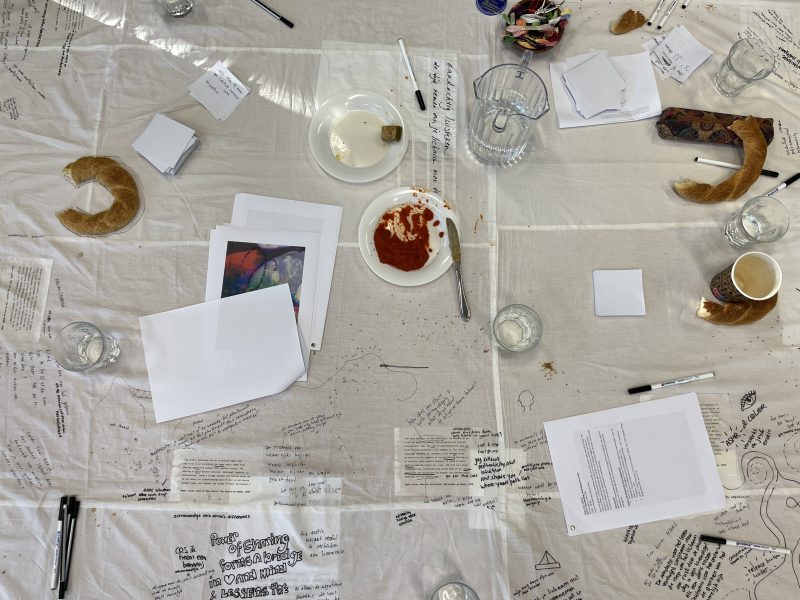
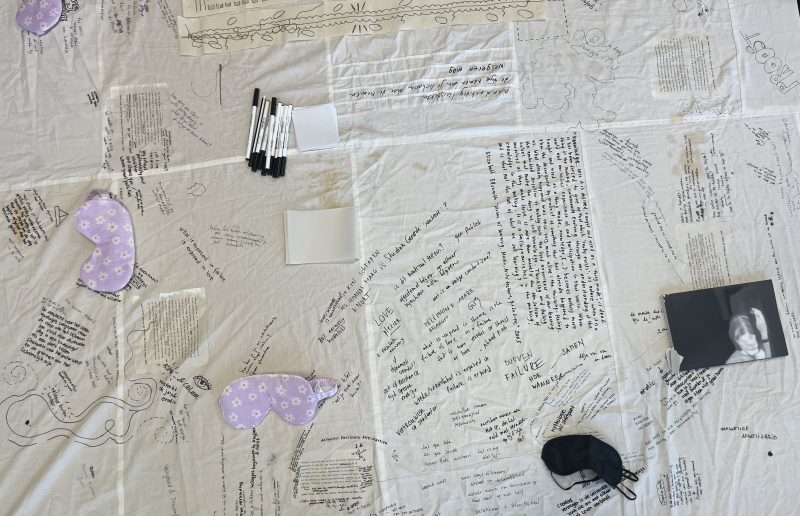
This research starts from a personal desire to do things otherwise in my theory classroom, in the context of institutions for higher arts education and in relation to the complexity of today’s times. When pondering my own educational history, especially as a university student, I can easily recall the feelings and bodily sensations that arose in the time and space of those institutions. When understanding education as an affective encounter, I wonder how we can make more sense of embodiment in the theory classroom, while acknowledging that learning is as much about feeling as it is about thinking.
For my graduation project, I turned to the intimate as a dimension that potentially resists and transcends the opposition between the body and discourse in education. I propose an understanding of the intimate that is not about bodies touching bodies, but rather about how our bodies feel in educational situations with others: other humans, space, text. Based on Audre Lorde’s essay on the erotic as a force that arises from within, our deepest nonrational knowledge that we should learn to nurture (again), I unfold an approach to the intimate along the lines of relationality, the nonrational, and difference.
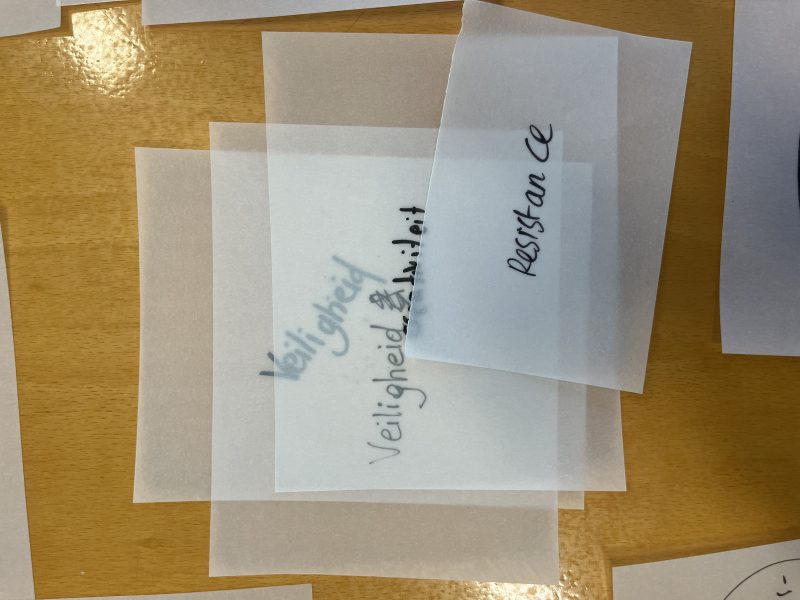
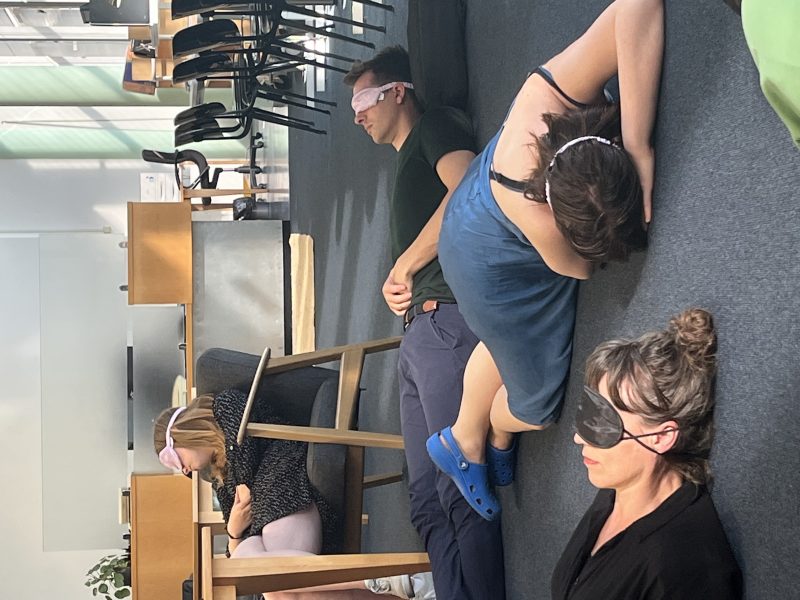
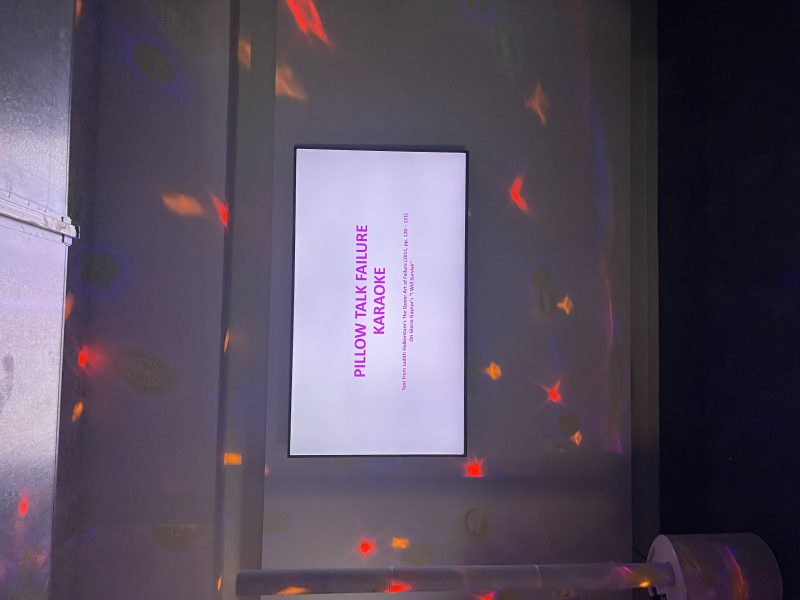
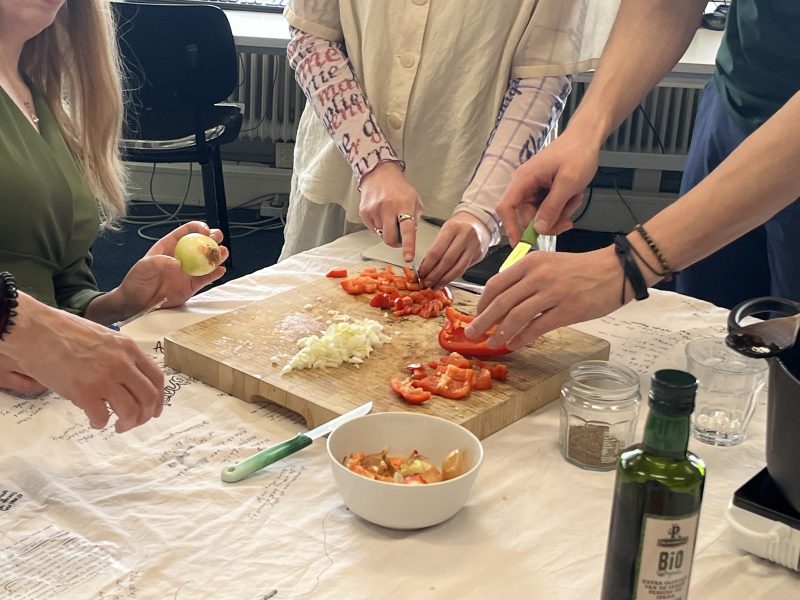
To gain a better understanding of the intimate in relation to learning, I experimented with intimate pedagogical gestures in the context of a reading group called ‘Pillow Talk’, which I conceived for Studium Generale at ArtEZ in Arnhem. I developed propositions for reading together that invite a small-scale type of embodied and affective learning by reshaping the interrelationships between bodies, spaces and text in the educational encounter. These reading rituals entailed, among other things, cooking, singing, and sleeping together and aimed for creating a more relational mindset toward learning and knowledge. How is it that we learn in the nonverbal, in the felt sensations and intensities that come before and after words?
Thesis: